Umrah is beautifully simple in structure, yet performing it with knowledge brings calm and confidence. Below is a clear overview of the rites in order. This is an introduction, not a fatwa, please learn the finer details from a qualified scholar, and our group leaders are on hand to guide you at every step.
1. Enter the state of ihram
Before reaching the appointed boundary (miqat), you enter ihram, a state of consecration. Men wear two unstitched white cloths; women wear modest, ordinary clothing. You make the intention (niyyah) for Umrah and begin reciting the talbiyah:
Labbayk Allahumma labbayk…, “Here I am, O Allah, here I am.”
From this point, the restrictions of ihram apply, such as refraining from cutting hair or nails and from arguing.
2. Perform Tawaf around the Kaaba
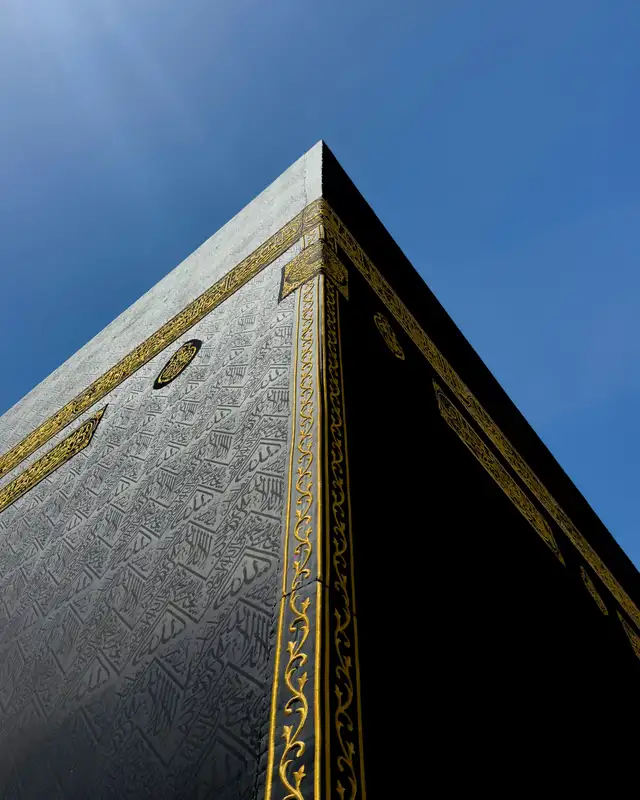
On arriving at Masjid al-Haram, you perform Tawaf: circling the Kaaba seven times anticlockwise, beginning and ending at the line of the Black Stone. Each circuit is an opportunity for du’a and remembrance. Move at your own pace and keep your group leader in sight if it is crowded.
3. Pray two rak’ahs
After completing the seven circuits, you pray two rak’ahs, ideally near the Maqam Ibrahim if possible, and then drink from the blessed Zamzam water.
4. Perform Sa’i between Safa and Marwah
Next is Sa’i: walking seven times between the hills of Safa and Marwah, commemorating Hajar’s search for water for her son Isma’il. It begins at Safa and ends at Marwah, with du’a throughout.
5. Trim or shave the hair
Finally, men either shave (halq) or trim (taqsir) their hair, while women trim a small amount. With this, the rites of Umrah are complete and the restrictions of ihram are lifted.
Travelling with confidence
Many first-time pilgrims worry about “getting it right.” In practice, with a knowledgeable guide beside you and a little preparation, the rites flow naturally and peacefully. On our group departures and guided packages, an experienced leader accompanies you through each stage so you can focus on the meaning rather than the mechanics.
When you’re ready to plan, tell us your dates and we’ll arrange everything around your worship, and you can browse more practical advice in our guides.